
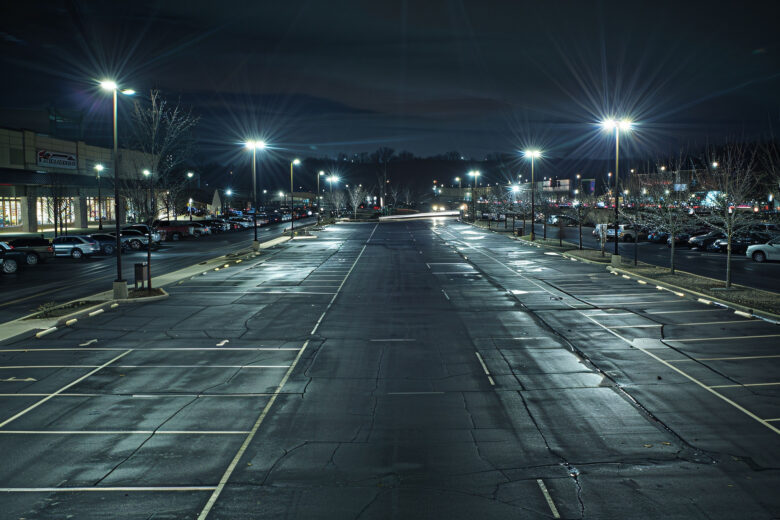
Cities alter character as sunshine blurs, however movement once in a while stops. Roads stay dynamic with development, commerce, and social interaction, upheld by lighting frameworks that amplify perceivability into the night. These frameworks work over endless systems, enlightening streets, pathways, and open spaces whereas devouring noteworthy sums of vitality. Their nearness is regularly taken for allowed, however they speak to a ceaseless and carefully overseen component of urban infrastructure.
Street lighting is formed by both useful need and broader urban contemplations. It underpins security, route, and financial action, whereas too contributing to the visual personality of a city after dull. At the same time, the vitality required to support these frameworks presents challenges related to productivity, taken a toll, and natural impact.
Urban lighting systems must react to shifting conditions, counting changes in activity, climate, and regular sunshine designs. The way vitality is conveyed over these systems reflects a adjust between reliable brightening and versatile control. Analyzing road lighting inside the setting of urban vitality utilize uncovers how foundation, innovation, and request cross in forming nighttime environments.
Looking at road lighting as one full framework appears that the lamp itself is only one portion of operation. Electrical supply, wiring, control equipment, mounting position, sensors, communication, and maintenance all influence what eventually happens at street level. A light can remain physically healthy while another portion of this chain prevents ordinary operation.
This difference becomes more visible during fault checking. A dark installation may come from the lamp, driver, power supply, control command, wiring, or communication used by a managed lighting system. Beginning with the visible symptom alone does not continuously identify which layer actually created it.
Urban Lighting Framework and Organize Layout
Street lighting frameworks are organized as broad systems that span whole urban zones. Posts, installations, wiring, and control units are organized to give steady light over roads and open spaces. The format of this foundation reflects both the physical structure of the city and the aiming work of each area.
Different zones require shifting levels of brightening. Major streets, private boulevards, and person on foot pathways each have unmistakable lighting prerequisites, affecting how installations are dispersed and designed. This variety makes a layered organize where vitality dissemination adjusts with utilization patterns.
Pole spacing and mounting height influence how much area one installation can cover. Changing one part of the layout can alter brightness and uniformity farther from the pole, meaning higher output alone does not continuously create a better result. Distribution across the surface remains as important as the amount produced at one point.
Road geometry creates another condition. Intersections, curves, pedestrian crossings, trees, buildings, and other objects can alter where light reaches. Two sections using similar equipment can therefore produce different results because their physical surroundings are not the same.
Infrastructure plan must moreover account for strength and support. Components are uncovered to natural conditions and must stay operational over long periods. The unwavering quality of this arrange straightforwardly influences both vitality utilization and benefit continuity.
Energy Utilization Designs in Road Lighting Systems
Street lighting contributes a steady pattern to urban vitality request. Not at all like numerous other frameworks, it works typically, with enactment ordinarily adjusted with nightfall and deactivation at dawn. This consistency makes identifiable utilization designs inside the broader vitality profile of a city.
Seasonal changes impact these designs. Longer evenings amid winter increment working hours, raising vitality utilization, whereas shorter evenings in summer decrease request. These shifts happen slowly, reflecting the common cycle of sunshine variation.
Operating hours give one direct part of energy calculation. When similar lighting equipment works for more hours, consumption increases even if its electrical load remains unchanged. Dimming changes the calculation again because operating time can remain the same while power demand during part of that period becomes lower.
This means annual energy use cannot always be understood from rated lamp power alone. Number of installations, operating schedule, dimming profile, control equipment, and maintenance condition can all influence the final consumption recorded across the network.
Variations moreover develop inside shorter timeframes. Climate conditions such as cloud cover or storms can influence lighting prerequisites, driving to transitory alterations in framework operation. These changes include complexity to something else unsurprising utilization patterns.
Light Conveyance and Scope Efficiency
The viability of road lighting depends on how light is conveyed over surfaces. Uniform scope guarantees perceivability whereas minimizing regions of intemperate brightness or shadow. Accomplishing this adjust requires cautious thought of installation arrangement, stature, and orientation.
Efficiency in light dissemination influences vitality utilize. Ineffectively coordinated lighting can result in squandered vitality, enlightening zones that do not require scope. Optimized frameworks center light where it is required, lessening pointless consumption.
A high-output fixture can still use energy poorly when much of its light reaches locations outside the useful area. Orientation and optical distribution matter because they determine where the produced light actually goes.
Uniformity also matters beside brightness. A road containing very bright and much darker sections can produce a different visual condition from one where illumination remains more evenly distributed. Evaluation therefore needs more than one measurement directly below a fixture.
Advancements in lighting innovation have made strides dispersion effectiveness. Advanced installations can coordinate light more absolutely, upgrading scope whereas lessening by and large vitality necessities. These advancements contribute to more viable utilize of accessible vitality resources.
Technological Advancement in Lighting Systems
Street lighting has experienced critical innovative change. Conventional frameworks based on glowing or high-pressure sodium lights have slowly been supplanted by more effective options, such as Driven innovation. These more up to date frameworks offer longer life expectancies and decreased vitality consumption.
The move to progressed lighting advances has presented unused capabilities. Flexible brightness, made strides color rendering, and diminished upkeep necessities have changed how lighting frameworks are overseen. These highlights permit for more adaptable operation, adjusting vitality utilize with genuine needs.
A LED conversion is not only a lamp substitution. Electrical characteristics, fixture optics, mounting, thermal behavior, controls, and expected illumination can all become part of the change. Replacing equipment without considering these conditions can create a system that uses newer technology but does not deliver the expected field result.
Longer service life can reduce how frequently crews need to reach individual fixtures, although actual lifetime still depends on drivers, temperature, electrical conditions, installation quality, and other components beside the light source itself.
Technological advancement too influences framework integration. Present day lighting frameworks can be associated to computerized control stages, empowering centralized administration and checking. This integration underpins more responsive and productive operation over urban networks.
Connected controls add another layer that older standalone lighting does not necessarily contain. Communication status, device addressing, control configuration, sensor state, and software become additional things that can influence operation.
Versatile Lighting Control and Vitality Optimization
The move toward versatile lighting control speaks to a crucial alter in how urban lighting frameworks associated with vitality utilize. Instep of working at settled levels, present day frameworks can alter brightening based on real-time conditions. This versatility permits cities to adjust lighting yield with genuine request, decreasing vitality utilization without compromising functionality.
Adaptive control depends on sensors and data-driven frameworks that screen natural and action conditions. Movement sensors, activity checking gadgets, and encompassing light finders give input that advises how lighting levels are balanced. When movement is moo, brightening can be decreased, preserving vitality whereas keeping up standard visibility.
A control sequence can be viewed through four simple parts: condition detection, decision, lighting adjustment, and confirmation. If a sensor reports lower activity, the controller decides whether the programmed condition permits dimming, sends the adjustment, and the fixture responds. Monitoring can then show whether the expected state was actually reached.
Separating these stages makes faults easier to understand. A fixture that does not dim can have a working LED source but a problem with sensor input, communication, configuration, or the control component. The same visible symptom can therefore originate from different points.
Los Angeles upgraded its street lighting network through an LED modernization program focused on improving energy efficiency and managing urban lighting operations. The transition introduced newer lighting technologies and monitoring approaches across public spaces throughout the city.
The Los Angeles example also shows why a large conversion is different from replacing several individual lamps. At city scale, inventory, energy use, maintenance, fixture condition, installation scheduling, and network management become connected parts of the same modernization process.
Before and after consumption gives one useful way of examining a conversion, but it should be compared beside changes in fixture count, operating hours, output levels, and control strategy. Otherwise a lower total number can be difficult to interpret accurately.
The integration of control frameworks presents a energetic relationship between lighting and vitality utilize. Or maybe than keeping up consistent yield, frameworks react to variances in request, making a variable utilization profile. This changeability contrasts with conventional frameworks, where vitality utilize remained moderately steady in any case of real need.
Centralized administration stages empower coordination over huge systems. Administrators can screen framework execution, alter settings, and react to inconsistencies from a single interface. This centralized approach improves productivity by permitting for facilitated alterations that reflect broader urban conditions.
A central platform can show many fixtures at once, but reported status needs to be interpreted carefully. A device marked unreachable may have lost communication while the light itself continues operating. In the opposite direction, communication can remain healthy while the physical light source or driver has a fault.
This creates an important difference between communication health and lighting health. Monitoring both gives a more complete view than assuming one automatically confirms the other.
Data investigation plays a critical part in optimizing vitality utilize. Authentic and real-time information give bits of knowledge into utilization designs, permitting frameworks to expect request and alter in like manner. These bits of knowledge back more exact control, lessening squander and progressing generally efficiency.
Historical data can show fixtures or zones that behave differently from the rest of the network. Repeated faults, unusual energy use, frequent communication loss, or operation outside the expected schedule can direct attention toward areas that need inspection.
The interaction between versatile frameworks and foundation presents modern contemplations. Compatibility between components, unwavering quality of information inputs, and versatility to framework disappointments all impact how viably versatile control can be executed. These components shape the plan and operation of present day lighting networks.
Compatibility becomes especially important when modernization happens over time. A city can contain old fixtures, new LED equipment, different controller generations, and several communication methods during the same period. Management has to work across this mixed environment rather than assuming every component has identical capabilities.
Environmental contemplations assist impact versatile lighting methodologies. Decreasing superfluous brightening not as it were preserves vitality but moreover minimizes light contamination, contributing to more economical urban situations. The adjust between perceivability and natural affect gets to be a key perspective of framework design.
Dimming and directional control approach the problem from different sides. Dimming reduces output when full illumination is not required, while optical control reduces how much light travels toward areas that were not intended to receive it. Using both can address energy and unwanted illumination differently.
The advancement toward versatile lighting reflects a broader drift in urban framework, where frameworks gotten to be more responsive and data-driven. This change modifies the relationship between vitality utilize and benefit conveyance, presenting a level of adaptability that was not already possible.
Maintenance Cycles and Operational Stability
Street lighting frameworks require continuous upkeep to guarantee steady execution. Components such as bulbs, installations, and wiring debase over time, influencing both light quality and vitality proficiency. Upkeep cycles are hence fundamentally to framework stability.
The timing and recurrence of support impact operational progression. Customary reviews and substitutions offer assistance anticipate disappointments, whereas postponed upkeep can lead to blackouts and expanded vitality utilization due to wasteful aspects. The coordination of these exercises influences how dependably frameworks operate.
Maintenance can be reactive or increasingly condition based. A reactive approach begins after a failure becomes visible or reported. Monitoring can allow attention before complete loss when a fixture repeatedly reports unusual behavior or another measurable condition begins moving outside its ordinary range.
Not every reported fault requires the same field action. A power problem, communication fault, damaged fixture, control issue, or failed driver can require different equipment and replacement parts. Better fault classification before dispatch can reduce unnecessary visits.
Operational steadiness too depends on the capacity to identify and address issues instantly. Checking frameworks can distinguish flaws, empowering speedier reaction and diminishing the term of disturbances. This capability underpins both effectiveness and unwavering quality inside the network.
Maintenance records also create useful historical information. When the same location or component type fails repeatedly, the pattern can indicate that replacing the immediate failed part does not completely address the underlying condition.
Environmental Affect and Vitality Productivity Considerations
Street lighting contributes to natural affect through vitality utilization and light emanations. The proficiency of lighting frameworks straightforwardly influences the sum of vitality required, impacting generally asset utilize and emanations related with power generation.
Efforts to make strides effectiveness center on lessening vitality utilization whereas keeping up satisfactory brightening. Mechanical progressions and optimized framework plan play a central part in accomplishing this adjust. These endeavors reflect broader objectives related to supportability and asset management.
Energy efficiency needs to remain connected with delivered lighting performance. Reducing electricity use is less useful if the change produces inadequate illumination for the intended location. In the same way, excessive output can consume additional energy without creating proportional useful benefit.
This makes baseline measurement important during modernization. Existing energy use and lighting conditions give a reference that can later be compared with the modified system instead of evaluating the result from equipment specifications alone.
Light contamination speaks to another angle of natural affect. Intemperate or ineffectively coordinated lighting can influence environments and human situations. Overseeing this affect includes cautious plan and operation of lighting frameworks to minimize pointless illumination.
Light leaving the intended area can come from fixture distribution, orientation, excessive output, reflection, or poor placement. Identifying which condition produces unwanted light gives a more useful basis for correction than reducing every fixture equally.
Integration with Broader Urban Vitality Systems
Street lighting does not work in separation but as portion of a bigger urban vitality framework. Its utilization contributes to in general request, collaboration with other foundation components such as transportation, buildings, and open services.
Integration with vitality administration frameworks permits for facilitated operation over distinctive segments. Information from lighting frameworks can educate broader vitality methodologies, supporting more effective dispersion and utilize of resources.
Lighting demand has a different daily profile from many daytime municipal loads. Because much of its use occurs after sunset, its contribution to the wider system changes according to season, operating schedule, and control strategy.
Connected lighting can also depend on communication infrastructure beside electrical distribution. A power system can keep the fixtures energized while loss of communications temporarily removes remote monitoring or adaptive control. Local fallback behavior then becomes important for preserving basic lighting.
The relationship between lighting and other frameworks reflects the interconnected nature of urban framework. Changes in one range can impact others, highlighting the significance of facilitated arranging and management.
Public Security and Recognition of Urban Spaces
Lighting plays a noteworthy part in forming discernments of security inside urban situations. Well-lit regions are frequently related with expanded perceivability and decreased chance, affecting how individuals connected with open spaces. This discernment influences designs of development and action amid nighttime hours.
The plan and operation of lighting frameworks must consider both utilitarian and perceptual variables. Satisfactory light bolsters security, whereas over the top brightness may make inconvenience or glare. Adjusting these components contributes to the in general adequacy of road lighting.
More light does not automatically mean better visibility in every condition. Strong contrast, glare, poor direction, and dark areas between very bright locations can influence what people are actually able to see. Distribution and visual comfort therefore matter beside total output.
Measurements should also be interpreted according to the space being considered. A pedestrian area, residential street, intersection, and major road do not necessarily need the same lighting arrangement because movement and visual tasks differ.
The relationship between lighting and open behavior underscores its significance past vitality utilize. It impacts how spaces are experienced, forming the social and financial flow of urban ranges after dark.
Lighting Systems Within Urban Infrastructure
Street lighting remains connected to broader urban infrastructure through its relationship with energy distribution, public services, transportation activity, and environmental management. As lighting networks become more adaptive and data-driven, their operation increasingly reflects the interconnected nature of contemporary urban systems.
This wider connection also changes what counts as a lighting failure. A traditional fixture can mainly depend on electrical and physical components, while a connected installation can additionally depend on sensors, communication, configuration, and software. Modernization can improve control and visibility while at the same time creating new dependencies that need to be maintained.
For this reason the condition of a modern lighting network can be considered through several views together: actual illumination, electrical consumption, fixture state, communication condition, sensor information, and maintenance history. No single one of these gives the complete operating picture by itself.
Technical Review and Sources
The lighting framework examined here is considered through physical layout, electrical use, light distribution, LED technology, adaptive controls, monitoring, maintenance, environmental effects, and connection with wider urban infrastructure. Looking at these areas together offer assistance separate actual lighting performance from the condition of only one component.
Los Angeles is utilized as the main real-world reference because its street lighting modernization gives a concrete example of a large municipal transition toward LED technology and network management. Claims particular to Los Angeles ought to remain connected to material from the City of Los Angeles Bureau of Street Lighting and other primary municipal documentation.
Broader explanations concerning sensors, dimming, lighting distribution, monitoring, energy use, and maintenance describe technical patterns that can differ between cities. Fixture design, road classification, control strategy, electricity supply, and local requirements influence the final implementation.
Last technical review: September 2026
References
City of Los Angeles Bureau of Street Lighting. LED Street Lighting and Modernization Program Information.
City of Los Angeles Bureau of Street Lighting. Street Lighting System and Smart Lighting Information.
U.S. Department of Energy. Solid-State Lighting and LED Technology Resources.
International Commission on Illumination (CIE). Technical publications concerning road lighting and outdoor illumination.